

Summary
SpaceX priced its $75 billion IPO at $135 per share and surged 19% on its first trading day to close at $160.95, pushing valuation above $1.7 trillion. The company disclosed holdings of over 18,000 Bitcoin, drawing attention to corporate digital asset strategies.
Historic IPO Sets Multiple Records
On June 12, 2026, SpaceX completed its public debut on the Nasdaq, pricing its initial public offering at $135 per share and raising $75 billion in what became the largest IPO in history. The stock immediately jumped to $150 at market open, reached as high as $176 during midday trading, and ultimately closed at $160.95, representing a 19% gain from the offering price.
At the closing price, SpaceX achieved a market capitalization of approximately $1.7 trillion, with the intraday peak pushing valuation close to $2.3 trillion. This valuation positioned SpaceX among the world's most valuable publicly traded companies and made founder Elon Musk the world's first trillionaire.
According to Bloomberg, the IPO was oversubscribed by a factor of four, demonstrating strong institutional demand for SpaceX shares. Many institutional investors who failed to receive allocations during the IPO turned to the secondary market to purchase shares, further driving up the first-day stock price.
Supply-Demand Imbalance Drives Price Surge
A primary factor behind SpaceX's dramatic first-day performance was its extremely limited public float. The company offered only approximately 4% of its shares to the public, with the remainder held by early investors, employees, and the founder. This severe supply-demand imbalance created conditions conducive to significant price appreciation.
Additionally, SpaceX successfully lobbied major indexes including the Nasdaq 100 to modify their inclusion rules, enabling the company to join these indexes within days rather than months after listing. This means passive funds tracking these indexes will be compelled to purchase SpaceX stock in the near term, further amplifying market demand.
Trading platforms also felt the impact of SpaceX's public debut. Robinhood reported record-breaking traffic on its platform during SpaceX's first trading day and experienced intermittent service disruptions. This reflected the intense interest from retail investors in SpaceX shares.
Largest Returns in Venture Capital History
SpaceX's public listing delivered some of the largest returns in venture capital history to its early backers. According to Bloomberg estimates, Founders Fund, which invested $600 million for a 3% stake, saw its position valued at over $50 billion at the IPO price. Andreessen Horowitz's stake was valued at more than $10 billion, while Sequoia Capital's holdings exceeded $20 billion in value.
The New York Times reported that approximately 4,400 current and former SpaceX employees became millionaires through their equity holdings. This wealth creation not only rewarded early supporters but also injected new vitality into the Silicon Valley entrepreneurial ecosystem.
Goldman Sachs and Morgan Stanley, serving as lead underwriters, each earned approximately $100 million in underwriting fees, setting a record for a single IPO transaction.
Bitcoin Holdings Draw Market Attention
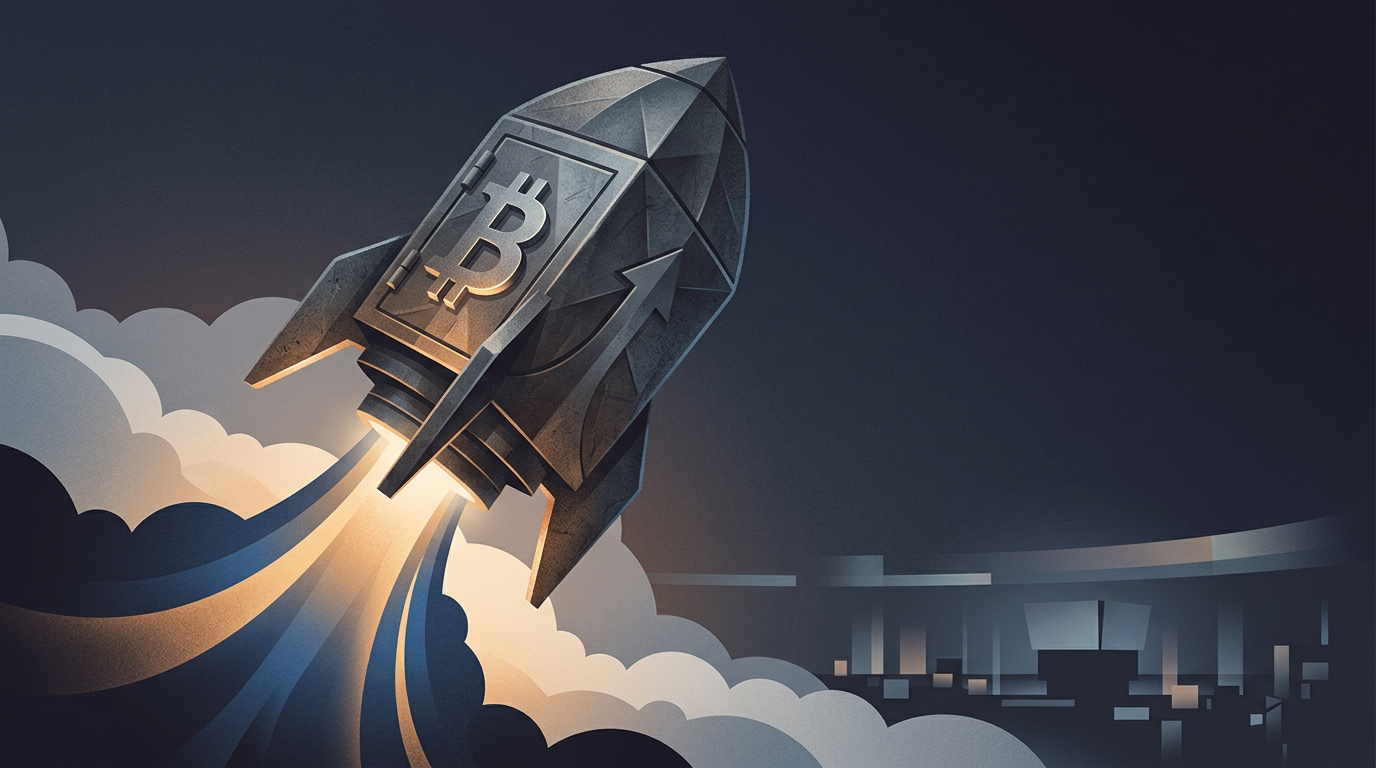
SpaceX disclosed in its listing documents that it holds 18,712 Bitcoin, valued at approximately $1.18 billion at the time. This revelation sparked widespread discussion about corporate digital asset allocation strategies.
While SpaceX's Bitcoin holdings represent a relatively small portion of its total assets, the fact that an aerospace technology company maintains substantial cryptocurrency holdings is noteworthy. This move may reflect the company's confidence in the long-term value of digital assets, or it could stem from practical considerations such as financial diversification or payment settlement needs.
For institutional investors and corporate treasury managers, SpaceX's Bitcoin holdings provide an observable case study. As more publicly traded companies allocate digital assets on their balance sheets, questions surrounding compliance management, risk controls, and disclosure requirements become increasingly important. From custody solutions to accounting treatment, enterprises need to establish comprehensive digital asset management frameworks.
Tokenized Stock Products Face Compliance Challenges
Coinciding with SpaceX's listing, several cryptocurrency platforms launched tokenized SpaceX stock products, attempting to enable broader investor participation. However, these products quickly faced regulatory scrutiny over compliance concerns, with some platforms forced to scale back or suspend related services.
Tokenized stocks represent traditional securities digitally through blockchain technology. Proponents argue this model can enhance market liquidity, reduce transaction costs, and enable around-the-clock trading. However, regulators worry these products may circumvent traditional securities regulatory frameworks and expose investors to risks.
This episode highlighted the regulatory challenges facing the real-world asset tokenization sector. While blockchain technology offers new possibilities for asset trading and settlement, finding the balance between innovation and compliance remains a core challenge for the industry. Tokenized securities products need to operate within clear regulatory frameworks to achieve sustainable development.
Speculation About Potential Tesla Merger
Following SpaceX's public debut, speculation intensified regarding a potential merger with Tesla. SpaceX President and COO Gwynne Shotwell, in an interview with CNBC, suggested that a merger might make Elon Musk's life a little easier, a statement interpreted by many as hinting at the possibility.
Prior to listing, SpaceX amended its S-1 registration document to include new language in the risk factors section warning that the company may issue a significant amount of equity in connection with future transactions. Analysts noted that such wording typically signals major merger and acquisition activity rather than small-scale acquisitions, potentially pointing toward a Tesla merger.
Tesla currently maintains a market capitalization of approximately $1.52 trillion, with Musk positioning it as an artificial intelligence and robotics company, despite the fact that vehicle sales still generate the bulk of revenue. Some analysts believe a merger with SpaceX could be a critical step toward realizing this vision, given potential synergies in technology, talent, and resources between the two companies.
Market Impact and Future Outlook
SpaceX's successful public debut injected new energy into capital markets and set a new benchmark for large technology company IPOs. The company's high valuation and strong performance may encourage other late-stage unicorns to pursue public listings.
However, SpaceX's success also raises questions worth monitoring. The extremely low public float may lead to increased stock price volatility, with retail investors facing correspondingly higher risks. Additionally, the company's lofty valuation requires sustained earnings growth to justify, and markets will closely watch financial performance and business developments.
For the digital asset and blockchain industry, SpaceX's listing offers multiple insights. On one hand, the company's Bitcoin holdings demonstrate increasing acceptance of digital assets among traditional enterprises. On the other hand, the compliance challenges faced by tokenized stock products remind the industry that innovation must occur within regulatory frameworks.
As more enterprises explore digital asset allocation and blockchain applications, establishing robust compliance systems, selecting reliable custody solutions, and formulating clear risk management strategies will become increasingly important. The SpaceX listing case provides a window into the intersection of traditional capital markets and the emerging digital economy.
The broader implications for institutional digital asset adoption are significant. SpaceX's disclosure of Bitcoin holdings on its balance sheet, while modest relative to total assets, signals a normalization of corporate cryptocurrency treasury management. This may encourage other public companies to consider similar allocations, though regulatory disclosure requirements and accounting standards continue to evolve.
For custody and wallet infrastructure providers, the growing intersection of traditional finance and digital assets presents both opportunities and responsibilities. As publicly traded companies increasingly hold digital assets, demand for institutional-grade custody solutions with robust security, compliance features, and integration with traditional financial systems will likely grow. The SpaceX case illustrates that even companies outside the financial services sector are engaging with digital assets, expanding the potential market for enterprise wallet solutions.
Looking ahead, SpaceX's successful IPO may serve as a catalyst for further convergence between traditional and digital asset markets. Whether through direct corporate holdings, tokenized securities, or other innovations, the boundary between these historically separate domains continues to blur. Navigating this evolving landscape will require careful attention to regulatory developments, technological capabilities, and market dynamics.
Source: link