

Summary
The cryptocurrency industry faces renewed scrutiny of cold storage security following a bitcoin cold wallet breach, with Galaxy Digital's head of research maintaining confidence in bitcoin's resilience while the incident sparks broader discussions on institutional custody standards.
Security Breach Shakes Industry Confidence
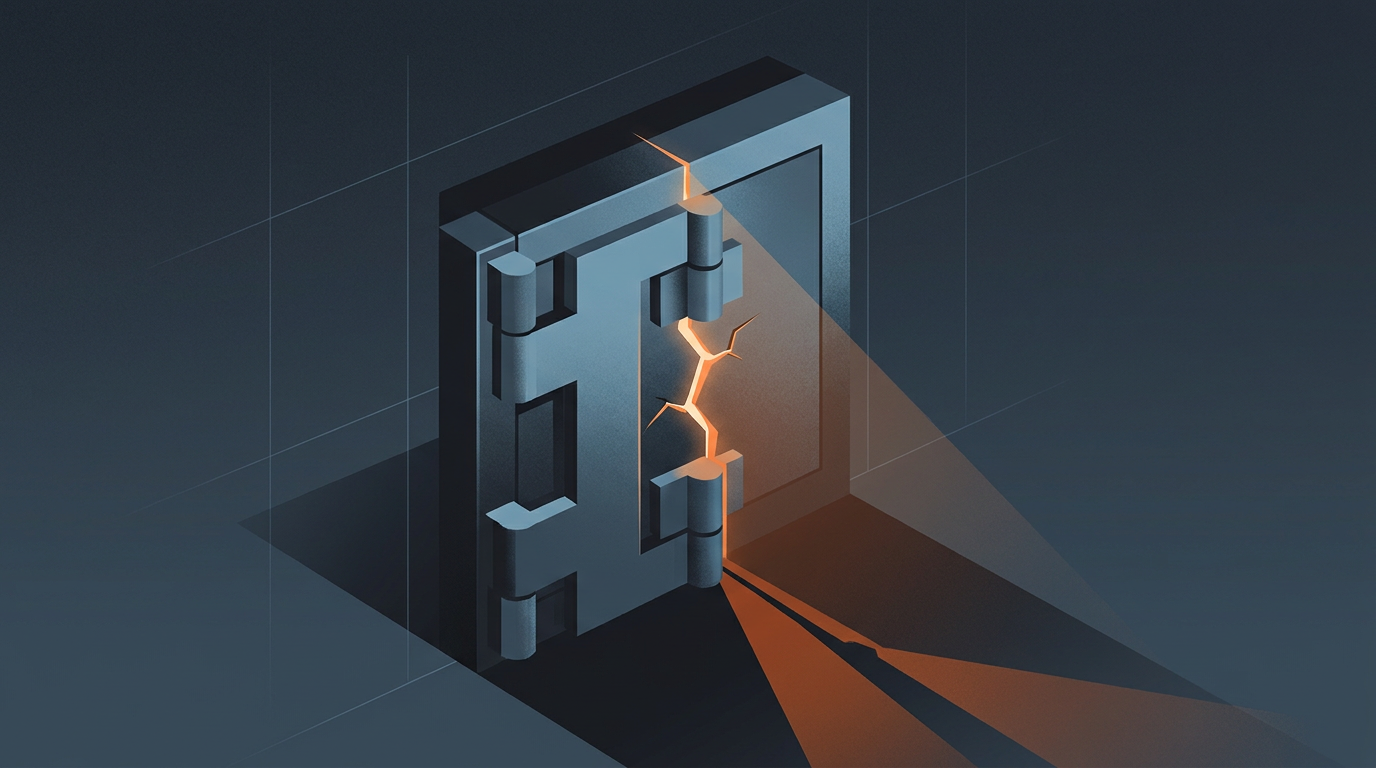
The cryptocurrency industry is grappling with the implications of a security breach affecting bitcoin cold wallets, long considered the gold standard for digital asset storage. The incident has challenged prevailing assumptions about cold storage security and prompted widespread discussion about custody best practices. In comments to Bloomberg, Alex Thorn, head of research at Galaxy Digital, expressed confidence that bitcoin itself will survive the crisis, while acknowledging that the event raises serious questions about cold storage security.
Cold wallets, typically defined as storage devices physically isolated from internet connectivity, have been widely regarded as the most secure method for protecting digital assets against hacking and unauthorized access. This breach has disrupted the perception of cold storage as inherently invulnerable, compelling the industry to reevaluate existing security standards and operational procedures.
The timing of this incident is particularly significant as institutional adoption of digital assets continues to accelerate. Major financial institutions, asset managers, and corporations have increasingly allocated capital to bitcoin and other cryptocurrencies, relying on custody solutions that promise bank-grade security. Any vulnerability in these systems poses not just financial risks but also reputational challenges that could slow institutional adoption.
Distinguishing Network Resilience from Custody Vulnerabilities
A critical distinction must be made between the security of the bitcoin network itself and the security of specific custody solutions. The breach primarily involves vulnerabilities in particular custody implementations rather than flaws in the bitcoin protocol. The bitcoin blockchain, as a decentralized network, continues to operate securely based on its underlying cryptographic principles and consensus mechanism. Thorn's assertion that bitcoin will survive the crisis reflects confidence in the network's fundamental architecture and decentralized nature.
However, this incident underscores an important reality: network security and custody security operate at different layers of the technology stack. Even when blockchain protocols function flawlessly, vulnerabilities in custody solutions can expose user assets to risk. This distinction is especially relevant for institutional investors who typically hold substantial digital asset positions and depend on professional custody services to manage private keys and execute transactions.
The decentralized nature of bitcoin means that the network itself remains unaffected by custody-level security incidents. Transactions continue to be validated, blocks continue to be mined, and the blockchain continues to maintain its integrity. What is at stake is the security of specific implementations of key management and asset storage, which are separate from the core protocol.
Institutional Custody Security Challenges
As institutional capital flows into cryptocurrency markets at unprecedented scale, custody security has emerged as critical infrastructure for the industry's development. Traditional financial institutions entering the digital asset space typically require custody service providers to meet rigorous security standards and compliance requirements comparable to those in conventional finance. The cold wallet security incident serves as a reminder that even storage methods considered most secure require continuous technological upgrades and strict operational protocols.
Institutional-grade custody solutions typically employ multi-layered security architectures incorporating multiple signature mechanisms, hardware security modules, geographically distributed key storage, strict access controls, and comprehensive audit trails. The principle of defense in depth dictates that failure of a single security measure should not compromise the entire system. This incident may reveal gaps where such redundancy was insufficient or improperly implemented.
The custody industry has evolved significantly since bitcoin's early days, when individual users typically managed their own private keys. Professional custody services now handle billions of dollars in digital assets, necessitating security measures that match or exceed those used in traditional financial infrastructure. These include physical security for hardware storage locations, cybersecurity protocols to prevent digital intrusion, operational security to prevent insider threats, and disaster recovery procedures to ensure business continuity.
Industry Response and Standards Evolution
This incident is expected to catalyze a comprehensive review and upgrade of security standards across the custody industry. Industry experts widely agree that more stringent cold wallet operational protocols are needed, covering the entire lifecycle of key management including generation, storage, backup, and recovery procedures. Regular security audits, penetration testing, and emergency response drills should become standard operating procedures rather than optional enhancements.
Some custody service providers may accelerate investments in advanced cryptographic technologies and security hardware. Emerging technologies such as multi-party computation and threshold signature schemes offer alternatives to traditional cold wallet approaches by enabling secure transaction signing without concentrating complete private keys in any single location. These technologies distribute cryptographic operations across multiple parties or devices, reducing single points of failure.
The incident may also drive greater standardization across the industry. Currently, custody providers employ diverse security architectures and operational procedures, making it difficult for clients to compare security postures objectively. Industry associations and standard-setting bodies may develop more specific guidelines and certification programs to help establish baseline security requirements and enable meaningful comparisons between providers.
Regulatory Perspectives and Compliance Requirements
From a regulatory standpoint, this incident may prompt financial authorities across jurisdictions to intensify scrutiny of digital asset custody services. Many regulatory bodies are in the process of developing or refining frameworks for digital asset custody, with security standards as a central component. Custody service providers may face more stringent capital requirements, insurance coverage mandates, and technical audit obligations.
Regulators may require custody providers to disclose more detailed information about their security architectures, establish standardized incident reporting mechanisms, and undergo regular third-party security assessments. While these measures increase compliance costs, they contribute to building a healthier and more trustworthy custody services market over the long term. The regulatory response may vary by jurisdiction, with some taking more prescriptive approaches while others rely on principles-based frameworks.
In the United States, agencies such as the Securities and Exchange Commission and the Office of the Comptroller of the Currency have already issued guidance on digital asset custody. This incident may accelerate the development of more specific technical standards and examination procedures. Similarly, European regulators working on the Markets in Crypto-Assets framework may incorporate lessons from this breach into their custody requirements.
Implications for Investors
For both institutional and individual investors, this incident provides important risk management lessons. When selecting custody service providers, stakeholders should not rely solely on market reputation or scale but should conduct thorough due diligence on security architectures, operational procedures, insurance coverage, and historical security records. Prudent risk management practices include diversifying custody arrangements, regularly reviewing security measures, and understanding fund recovery mechanisms.
Investors must recognize that digital asset custody remains a relatively young industry where technologies and standards continue to evolve. Maintaining awareness of security risks and staying informed about changes in industry best practices are essential measures for protecting assets. The incident reinforces the importance of asking detailed questions about how custody providers generate, store, and use private keys, what redundancies exist in their security systems, and how they would respond to various threat scenarios.
For institutional investors subject to fiduciary duties, this incident may necessitate enhanced due diligence processes and ongoing monitoring of custody providers. Investment committees and boards may need to dedicate more resources to understanding the technical aspects of custody security rather than treating it as a purely operational matter. Some institutions may choose to employ multiple custody providers or hybrid custody models to reduce concentration risk.
Industry Outlook and Confidence Rebuilding
Thorn's assertion that bitcoin will survive this crisis reflects broader industry confidence in the underlying technology and long-term trajectory of digital assets. While the security incident has created short-term turbulence, it may ultimately serve as a catalyst for upgrading industry security standards. Historically, the cryptocurrency industry has experienced multiple security challenges, each prompting improvements in technology and management practices.
As institutional adoption deepens and regulatory frameworks mature, the digital asset custody industry is positioned to establish more robust and reliable security standards. Custody service providers that consistently invest in security technology, establish rigorous operational protocols, and maintain transparent communication will gain competitive advantages and earn the trust of institutional clients. The industry's response to this incident will likely determine whether it becomes a temporary setback or a turning point toward higher security standards.
The path forward involves collaboration among custody providers, technology developers, auditors, insurers, and regulators to establish comprehensive security frameworks that address both current threats and emerging risks. Industry participants who view security as a continuous process rather than a fixed state will be best positioned to protect client assets and support the continued growth of institutional participation in digital asset markets.
While the immediate impact of this breach has created uncertainty, the industry's track record suggests resilience and adaptability. Previous security incidents have led to innovations such as multi-signature wallets, hardware security modules, and insurance products specifically designed for digital assets. This latest challenge will likely drive further innovation and ultimately contribute to a more secure and mature custody ecosystem that can support the next phase of digital asset adoption.
Source: link